

You just watched a streamer turn a $5 spin on Gates of Olympus into $40,000. You load the same game, spin for two hours, and your balance quietly bleeds out. Same game, same bet size, radically different result. That's not rigged, and it's not bad luck in the mystical sense. It's volatility, and understanding it is probably the single most useful thing a slots player can learn.
Volatility (sometimes called variance) describes how a slot distributes its payouts over time. It's the personality of the machine. Two games can share an identical 96% RTP and feel nothing alike. One pays small amounts constantly; the other starves you for hours and then drops a monster. Neither is better. They just suit different bankrolls and different temperaments.
Most casinos and review sites bucket slots into three rough categories. Here's what each actually means at the reels:
A fourth unofficial category has crept in over the last few years: extreme volatility, where max wins reach 100,000x or more (Nolimit City built an entire brand on this). These games are thrilling and brutal in equal measure.
This trips up almost every new player. RTP (return to player) is the theoretical percentage of all wagered money a slot pays back over millions of spins. A 96% RTP game returns $96 for every $100 wagered, on average, across an infinite sample. Volatility is about how that return is delivered: in steady drips or in rare floods.
A 96% RTP high-volatility slot and a 96% RTP low-volatility slot will, in theory, return the same amount long-term. Your experience over a 500-spin session, though, will look nothing alike. The high-vol version might leave you at zero before the flood arrives. The low-vol version grinds you down gently while occasionally topping you back up.
Practical takeaway: RTP tells you the price of admission. Volatility tells you whether you can afford to stay in the room long enough to see the show.
Here's a simple rule that separates players who survive sessions from those who bust in twenty minutes. As a rough benchmark, you want a bankroll of at least 100 to 200 times your bet size on low volatility, 200 to 400 times on medium, and 500 to 1,000 times on high. Some extreme-volatility titles realistically want even more.
Play a $2 spin on a high-volatility slot with a $100 balance and you're asking for a 50-spin session. That's nothing. A 200-spin dry spell is completely normal. Drop to $0.20 and your $100 buys 500 spins — now you have a genuine shot at catching the bonus round that justifies playing the game in the first place.
This is why bonuses and free spins are so valuable on high-volatility slots. They extend your session length, which is the only currency that matters when you're chasing a rare event.
You don't need to guess. Most modern slots announce their volatility, and there are reliable ways to figure it out: More background can be found at สล็อต.
Slots aren't the only place variance matters, and the concept transfers cleanly.
In poker, cash games are the low-volatility grind: small edges, frequent pots, steady progression. Multi-table tournaments are extreme volatility — you can play perfectly for six hours and bust on a coin flip. Bankroll management reflects this: serious players want 20 buy-ins for cash games and 100+ for tournaments.
In sports betting, a -500 favorite is a low-volatility bet: short odds, high probability. A 10-leg parlay paying 500-to-1 is extreme volatility in its purest form. Accumulators and long-shot correct-score bets are the punter's equivalent of a 100,000x slot.
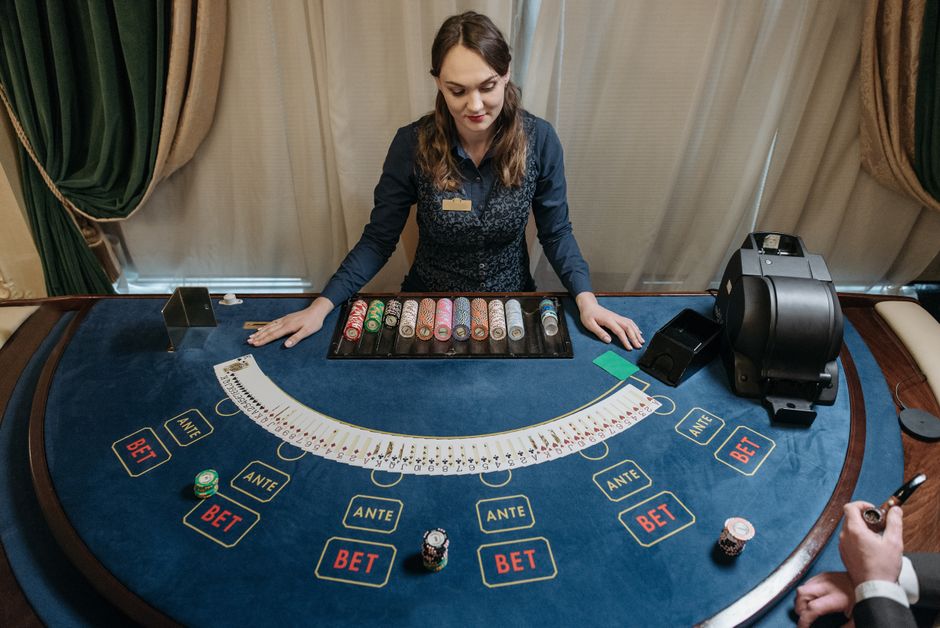
Even in live dealer games the principle holds. Baccarat's banker bet is about as low-variance as casino betting gets; side bets like Dragon Tiger pairs are lottery tickets with worse odds than most slots.
There's no objectively correct answer, only a correct answer for your situation. Ask yourself three questions before you sit down:
Experienced players often run a two-bucket strategy: low-volatility slots for chilling and clearing bonuses, high-volatility for short, sharp sessions chasing a specific payout. That split keeps variance from wrecking an entire night's entertainment budget.
Volatility isn't a flaw in a slot; it's a design choice, and treating it as such changes everything. The player who understands that Gates of Olympus needs hundreds, sometimes thousands of spins to deliver its famous 5,000x takeover is the player who bets $0.20 instead of $5 and survives long enough to actually see one. They're not luckier than you. They're just running the math with the game rather than against it.
Next time you open a new slot, spend thirty seconds checking the max win and paytable structure before you spin. That tiny habit won't guarantee wins, nothing does. But it will stop you from ramming a 100,000x variance machine with a 50x bankroll, and that alone keeps a lot of people in the game.

Combe Memo shares practical, down-to-earth guidance on local history and community memories for readers across the UK.


Leave A Comment